

Understanding the Fifty-Fifty Odds in Gambling
The concept of a «50% win potential» in gambling is often misunderstood, especially in the context of casino games. While some games might appear to offer even odds on certain bets, the reality is that the house edge, inherent in most casino operations, slightly tilts the probability in favor of the establishment. For instance, a simple coin toss has a true 50/50 outcome, but replicating this certainty in a casino setting is virtually impossible due to the underlying mathematical advantage the casino maintains. This edge ensures the long-term profitability of the casino, even when individual players experience winning streaks, and players often seek out casiku casino sister sites for varied experiences.
When players speak of a 50% win potential, they are often referring to specific betting scenarios within games like roulette (betting on red or black, odd or even) or blackjack where, with optimal strategy, the player’s chances can approach 50%. However, these scenarios rarely account for the zero or double zero in roulette, which are crucial components of the house advantage. Therefore, while a player might feel they have an equal chance, the statistical reality is slightly less favorable. Strategic gambling involves understanding these nuances and not mistaking apparent parity for a guaranteed equitable game.
Navigating the Risks of Gambling Undertakings
Every form of gambling inherently carries risks, and understanding these is paramount for any player. The most significant risk is financial loss, as the odds are designed to favor the casino over an extended period. This means that relying on gambling as a source of income is unsustainable and highly precarious. Beyond monetary concerns, the psychological toll of gambling can be substantial, leading to stress, anxiety, and potential addiction if not managed responsibly. Recognizing these risks is the first step towards a more controlled and potentially enjoyable gambling experience.
Responsible gambling practices are crucial for mitigating these inherent risks. This includes setting strict budgets for gambling sessions, understanding that losses are a probable outcome, and never chasing those losses. It also involves knowing when to stop, both for the day and in the long term if gambling begins to negatively impact other areas of life. A strategic approach to gambling acknowledges its entertainment value while maintaining a clear awareness of the potential downsides and implementing safeguards to prevent harm.
The Role of Strategy in Mitigating Casino Disadvantages
While the house edge is a constant in casino gambling, strategic play can significantly influence a player’s short-term results and enjoyment. In games like blackjack, employing a solid basic strategy can reduce the house advantage to its lowest possible point, bringing the player’s odds closer to a true 50/50 proposition on many hands. This involves understanding when to hit, stand, double down, or split based on the dealer’s upcard and the player’s hand. Similarly, in video poker, choosing the right game and playing with optimal strategy can offer a much lower house edge than many other casino offerings.
However, it’s vital to distinguish between a strategy that minimizes the house edge and one that eliminates it. No amount of strategic play can overcome the mathematical advantage the casino holds in the long run. Strategy in gambling is more about making informed decisions to prolong play, enhance the entertainment value, and potentially achieve short-term wins, rather than guaranteeing a profit. Players should focus on understanding game mechanics and probabilities to make the best possible decisions within the given framework of the game.
Assessing Potential Payouts and Volatility
Understanding the potential payouts and volatility of different casino games is a key aspect of strategic gambling. Volatility refers to the degree to which a game’s outcomes fluctuate. High volatility games, like progressive jackpot slots, offer the chance for massive wins but with a significantly lower frequency of smaller payouts. Conversely, low volatility games, such as many table games played with optimal strategy, provide more frequent, smaller wins, allowing for longer playing sessions. The choice between high and low volatility depends on a player’s risk tolerance and entertainment goals.
When considering the «50% win potential,» it’s important to look beyond just the theoretical odds of winning a single bet or hand. The overall payout structure and the expected return to player (RTP) are more comprehensive metrics. A game might have a high RTP, indicating that a large percentage of wagers are returned to players over time, but this doesn’t negate the inherent risks and the house advantage on individual bets. Strategic players will seek games with favorable RTPs and manage their bankroll according to the game’s volatility to maximize their enjoyment and chances of experiencing positive outcomes.
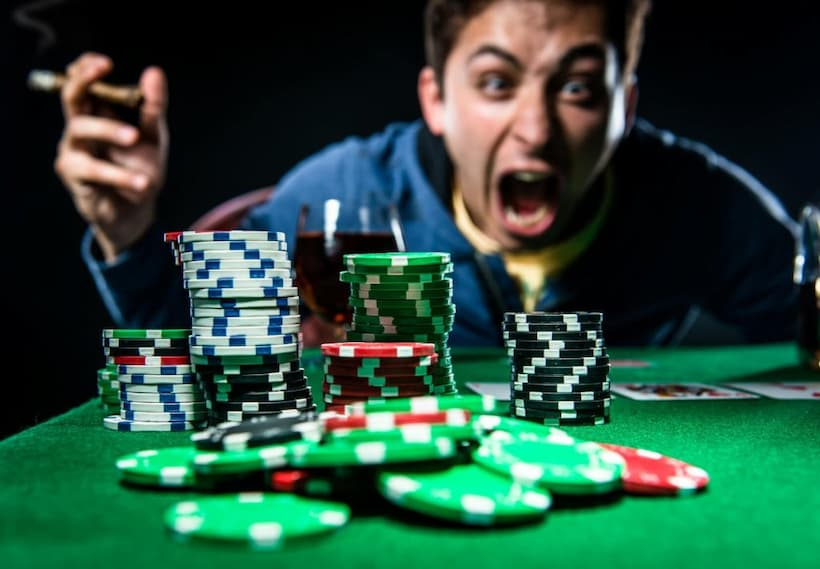
Exploring a Developing Online Gambling Platform
As the online gambling landscape continues to evolve, new platforms are emerging, each aiming to provide a unique player experience. While this site is currently under development, its stated goal is to offer a valuable online experience with exciting features. The anticipation surrounding such developments often includes an interest in the types of games offered, the fairness of their payout structures, and the strategies players might employ to navigate them. Understanding the potential for favorable odds, even if they don’t reach a true 50/50, is a common consideration for discerning players.
Players looking for opportunities in online gambling are keen to find platforms that not only offer a wide array of games but also prioritize responsible gaming and transparency. The development phase of a website like this presents an opportunity for stakeholders to implement features that directly address player concerns, such as clear information on game probabilities, RTP percentages, and responsible gambling tools. The eventual success of such a platform will likely hinge on its ability to deliver on its promise of a valuable and engaging experience, grounded in an understanding of the dynamics of casino gambling and the importance of player awareness regarding odds and risks.